
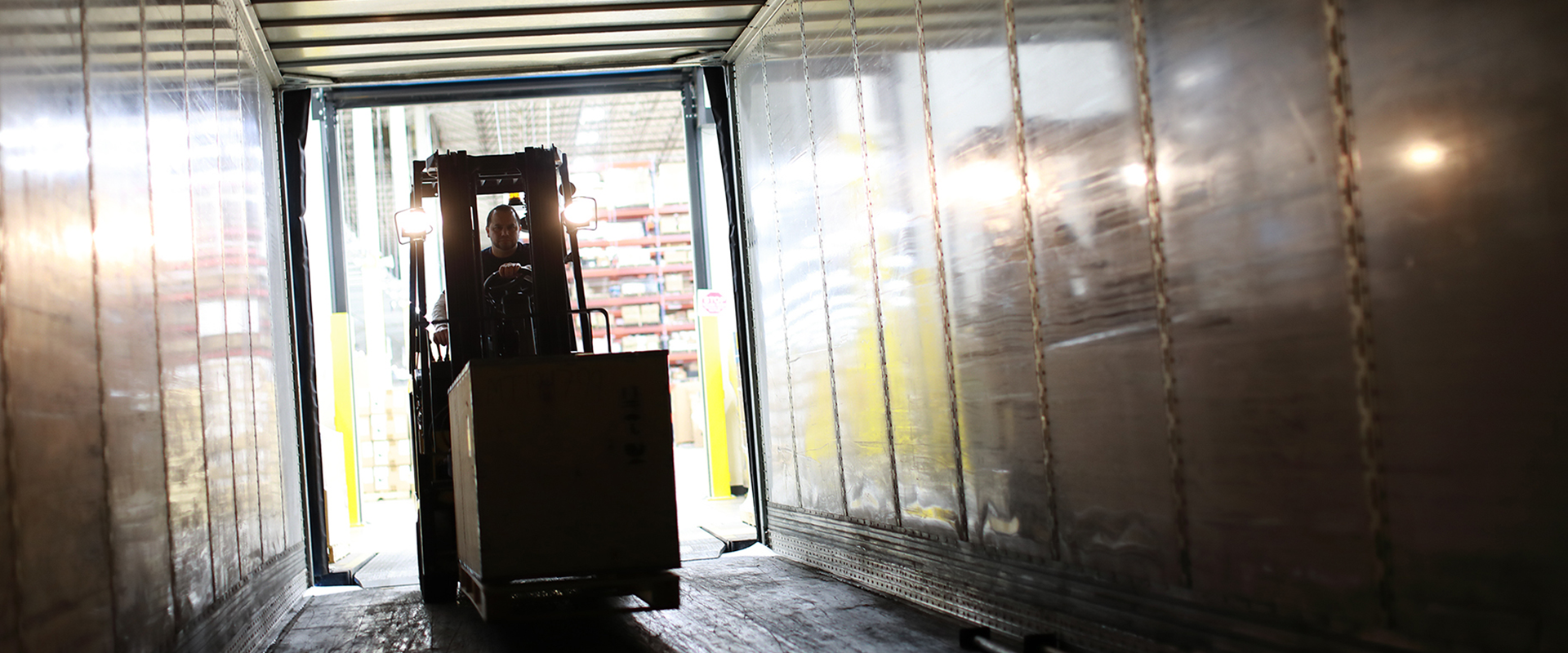
The warehouse floor was already loud and hectic. Forklifts backing up. Conveyor belts humming. Pallets moving faster than the paperwork can keep up with. When a large shipment arrives ahead of schedule, and the loading dock jams up, supervisors grab the retail walkie-talkies clipped to their belts and start calling for help. That’s when the chaos really kicked in.
Voices cut out. Channels overlapped. Someone’s simultaneous transmission blasted static across an urgent conversation. Another unit died mid-sentence. Instead of fixing the problem, the retail radios only added to the chaos. In places like Los Angeles, where industrial operations rarely slow down, that moment is often when companies realize the difference between basic retail walkie-talkies and industrial communication tools designed for real work.
This article takes a close look at common uses for industrial two-way radios in the Los Angeles area and how they play a critical role in keeping complex operations moving. We’ll look at why retail walkie-talkies fall short in industrial environments, what makes industrial-grade two-way radios different, and which industries rely on them day in and day out. Finally, we’ll talk about why choosing the right two-way communications partner matters just as much as the radios themselves.
Before diving into specific industries, it helps to understand a core issue many operations run into early on: retail push-to-talk communication alone isn’t enough when the environment itself is working against you.
Retail PTT Communication Is Not the Same as Reliable Industrial Communication
Retail push-to-talk (PTT) walkie-talkies do offer one thing that sounds appealing on paper. Push a button, and you’re instantly connected. For small teams or casual use, that can be perfectly fine. The problem is that industrial environments introduce challenges that those devices were never built to handle.
Warehouses, ports, construction sites. Refineries, manufacturing floors, and warehouses. They each have a unique way of complicating communications. Steel framework eats radio signals. Heavy equipment overwhelms audio. Crews walk on each other’s transmissions without meaning to. Add to that the dust, the vibration, the heat, and the long hours. Put all of that together, and consumer-grade radios do not just struggle; they fall short fast.
This is where industrial two-way radios step in. They are not just louder or heavier. They are engineered specifically for conditions where failure is not a simple inconvenience; it’s a productivity and safety risk. Understanding why that difference matters begins with looking at what industrial radios actually offer.
Industrial Two-Way Radios vs Retail Walkie-Talkies
So, what are some of the significant differences in retail walkie-talkies and industrial-grade two-way radios on industrial job sites in the Los Angeles area?
Coordinated, FCC-Regulated Channels
One of the most significant differences between retail walkie-talkies and industrial two-way radios is regulation. Industrial systems operate on FCC-licensed channels. That means private channels, less interference, and more predictable performance. You are not competing with nearby businesses, hobbyists, or unrelated operations by sharing the same frequencies.
Durability
Durability is another major factor. Industrial radios are built to survive drops, vibration, moisture, and dust. Many meet military or IP ratings specifically because they’re expected to fail gracefully—or not fail at all—in harsh conditions. Retail units are simply not designed for daily abuse.
Power Output and Clarity
Power and audio clarity matter more than people expect. Industrial radios transmit at higher power levels, allowing for better coverage across extensive facilities or multi-building sites. Advanced noise-canceling microphones and speakers are designed to cut through ambient noise rather than amplify it.
Features
Then there are all the added features. Emergency alert buttons, lone worker monitoring, and channel zoning. Encryption options, GPS tracking, and system-wide call management. All of these become critical as operations grow. Integration with repeaters, dispatch consoles, and other communication systems allows an industrial radio system to grow as the business grows.
Once organizations understand these differences, the next question usually becomes: who actually uses these systems, and how?
Industries Across Los Angeles That Rely on Industrial Two-Way Radios
Los Angeles is home to one of the most diverse industrial landscapes in the country. From ports to production floors, industrial two-way radios quietly support operations that most people never even think about.
Warehousing and Distribution Centers
Big distribution hubs don’t run on neat schedules. Trucks show up when they show up. Dock space disappears. People get pulled from one task to fix another. When something slips up, and a shipment comes in early or a line stalls, supervisors reach for the radio because it’s the fastest way to sort it all out. If the message is clear, and everyone hears it the first time, the issue stays small. If not, it escalates.
Ports and Logistics Operations
At the Port of Los Angeles, operations are tightly interconnected. A disruption in one area can affect multiple terminals in short order. Communication must reach multiple players without confusion or delay. The physical environment—steel infrastructure, vast distances, changing weather, and constant motion creates real communication challenges. For that reason, industrial radio systems are standard, and the equipment itself must withstand heavy use, extended shifts, and corrosive coastal conditions without loss of performance.
Construction and Infrastructure Projects
Construction sites never stay the same for long. By the afternoon, one of the morning’s access points is gone. Crews spread out. Equipment moves about. Conditions shift without warning. When plans change mid-day, foremen and crews rely on two-way radios to keep work moving. There’s often no time to stop everything and regroup. Lightweight retail radios will just not get the job done.
Manufacturing Facilities
Inside a manufacturing or production facility, problems do not politely announce themselves. A machine may slow down before breaking. A production line might back up. Two-way radios are how those moments get addressed quickly. Operators, maintenance crews, and quality assurance teams can stay connected and address the issue across a noisy floor, even amid deafening equipment, without leaving their stations.
Utilities and Public Works
Water and power utility crews spend much of their time in places where cell service is unreliable or nonexistent. Storm response, repairs, and routine maintenance all require steady communication between the field and dispatch. Industrial radios fill that gap. Features like emergency alerts and location awareness aren’t add-ons here—they’re safeguards.
Event Production and Venue Operations
Behind every momentous event is a quiet layer of coordinated chaos that most people never see. Security personnel, stage crews, technical/engineering staff, and venue operators all move on tight schedules. Industrial two-way radios quietly keep the activity flowing without any undue attention. When communication works, the audience never even notices all the frantic, behind-the-scenes activity.
Across all these industries, one pattern remains: the radio devices themselves are only part of the solution.
Getting the Most Out of Industrial Radios Requires Expertise
Modern industrial two-way radios offer far more than basic voice communication. Features can be customized, channels optimized, coverage expanded, and systems integrated in ways that dramatically improve efficiency and safety. But those benefits don’t unlock themselves. Choosing the wrong radio model, misconfiguring channels, or underestimating coverage needs can leave a company in a difficult position at the most challenging of times. That’s why working with a certified, experienced provider matters.
SJM Industrial Radio understands how industrial communication systems function in real-world Los Angeles environments. From site assessments and FCC licensing to system design, installation, and ongoing support, they help organizations build communication solutions that actually fit their operations.
When industrial two-way radios are set up correctly, they stop being just equipment. They become part of how the operation runs. That’s why it is essential that you not only buy your equipment from a trusted partner in the communications industry, but that you also rely on that partner to install that equipment in accordance with manufacturer specifications.
Your Trusted Source for Industrial Radios in Los Angeles
When Los Angeles companies rely on industrial radio systems, they often work with SJM Industrial Radio. The team handles system design, installation, and ongoing support for Motorola equipment used in demanding environments where communication has to work the first time. Some operations need wider coverage. Others are ready to move on from aging analog systems. Many need temporary radios to support a project, surge, or expansion. In each case, SJM provides practical guidance, responsive service, and local support that doesn’t disappear after installation.
In industrial settings, communication problems don’t stay isolated for long. Missed messages slow work, create confusion, and compound delays. That’s why clear, reliable radio communication has become a basic operational requirement, not a nice-to-have. Businesses across Los Angeles and beyond rely on SJM Industrial Radio for the equipment and experience needed to keep teams connected and work moving forward. For more than 30 years, they’ve remained a local partner professionals trust when communication matters.
Contact SJM Industrial Radio for Your Industrial Radio Needs Today!